Kinmilo Montessori Reusable Quiet Book – 23 Early Learning Themes
Kinmilo Montessori Reusable Quiet Book – 23 Early Learning Themes
Explore a New Learning World with Kinmilo Reusable Quiet Books
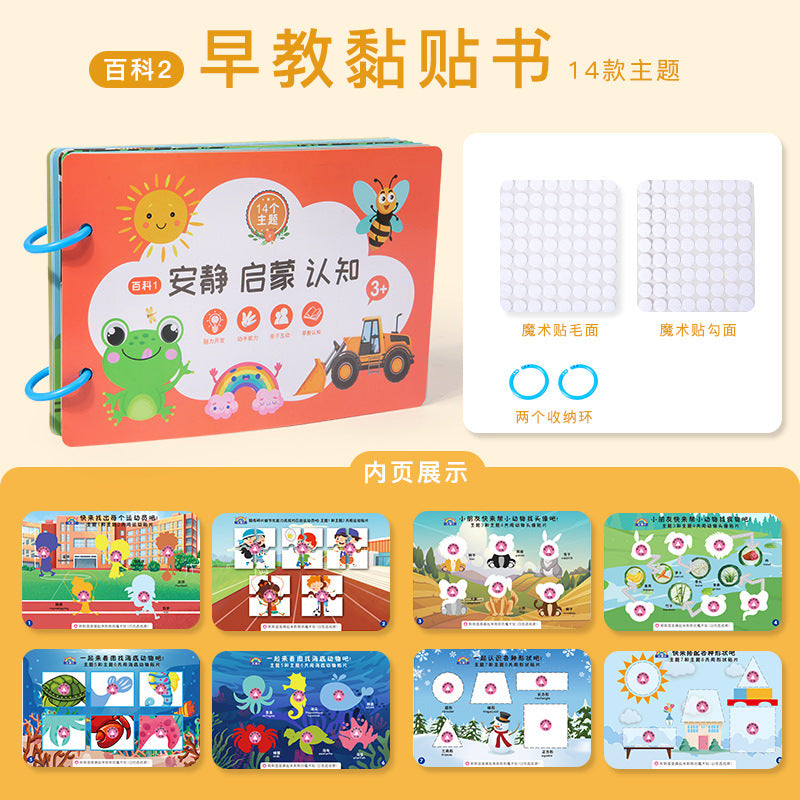
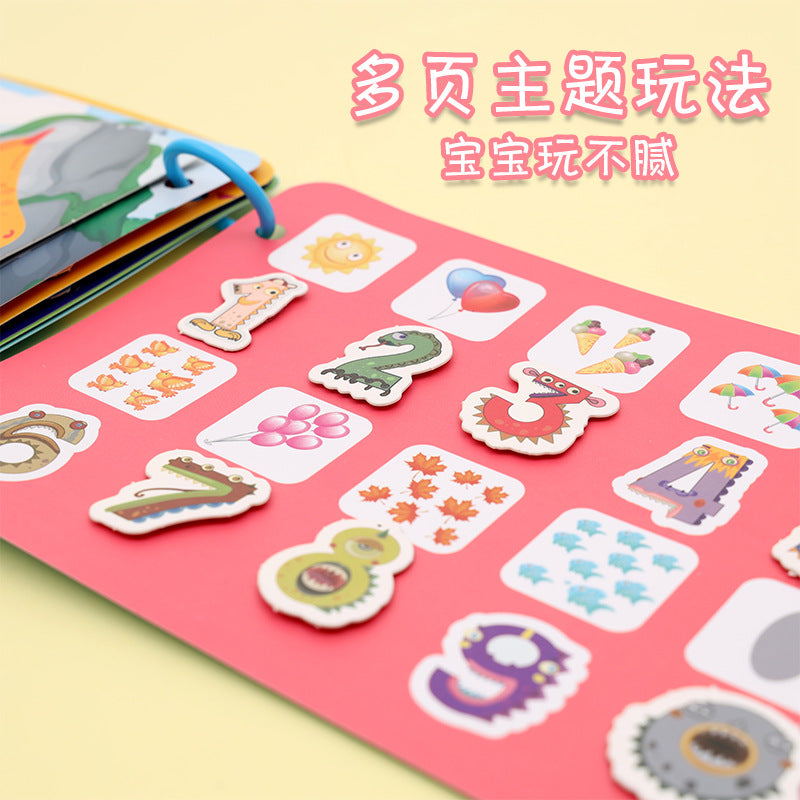
A playful, portable collection of interactive learning books designed for shared discovery. Choose from animal habitats, seabed life, space adventures, dinosaurs, travel, transportation, fruits and vegetables, early numbers, picture words, phonics, daily routines and more. Instead of making separate products for every theme, Kinmilo offers this family of reusable themed quiet books in one easy-to-shop listing. Select your child's preferred Theme from the options above.
Kinmilo Together Time: A Parent–Child Play Plan
Play Together. Grow Together. Turn Montessori Reusable Quiet Book into relaxed parent–child interaction. Begin with a short activity, respond to your child's interests and allow breaks.
- 1. Connect & demonstrate: Open one favourite scene and present only two movable pieces.
- 2. Share the play: Take turns moving a piece while narrating a simple action.
- 3. Grow together: Build a two-step picture story and invite a different ending.
Adapt the activity for ADHD, autism and developmental or learning differences
Use one page at a time, predictable steps and speech-free communication. For children with different communication needs, invite speech, pointing, gesture, eye gaze or AAC. A predictable start, limited choices and a clear stopping point can make play easier to join.
A note for families: Enjoy connection and meaningful participation rather than speed or perfect answers. These activities offer educational practice opportunities, not a medical treatment or a guaranteed developmental outcome. Follow the product's age and safety instructions, especially for detachable components.
Why Families Love Hands-On Quiet Book Activities
- One book, many learning moments: match pictures, explore illustrated scenes, name objects, follow simple sequences, and create stories.
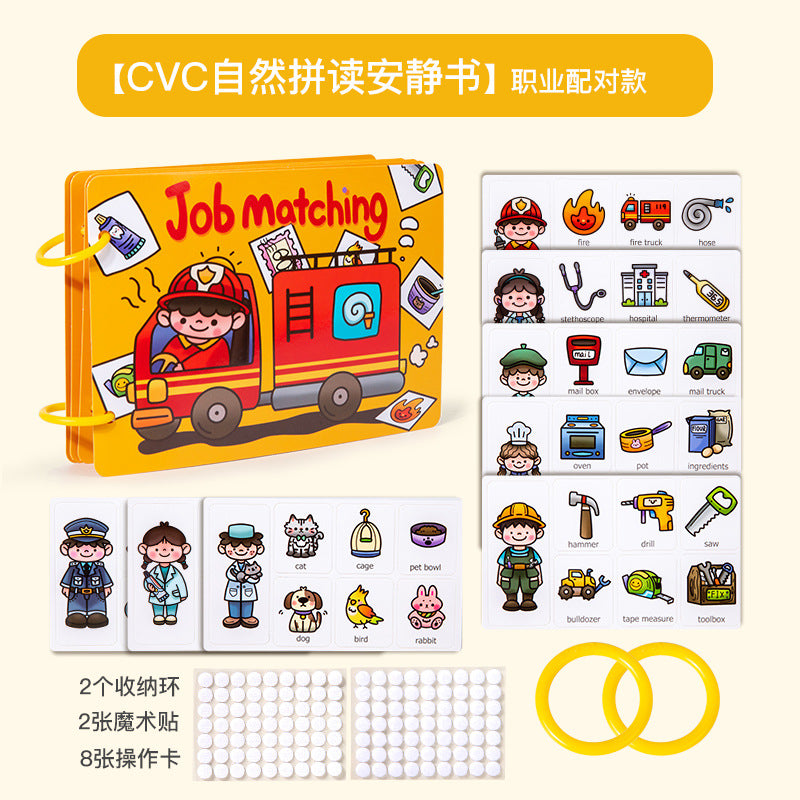
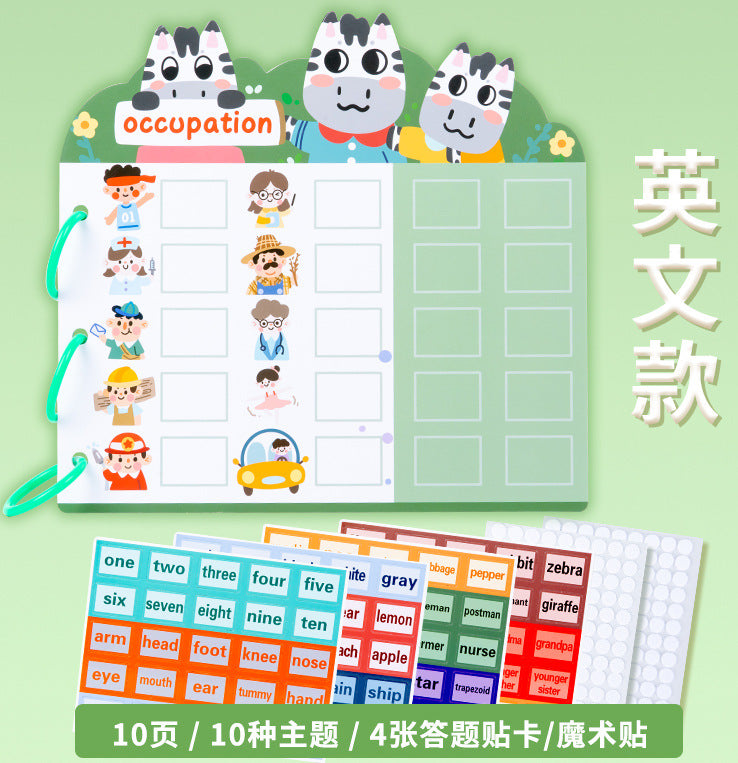
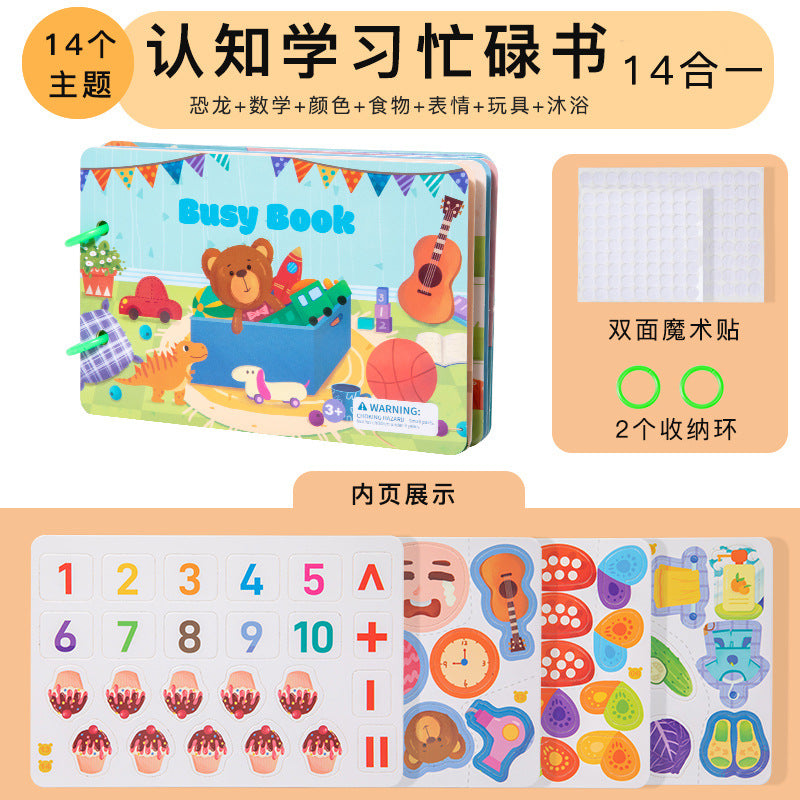
- Interactive pieces: the matching editions use reusable picture pieces and fastening points so children can place, remove, and repeat the tasks.
- Colorful themed pages: animal, transport, number, occupation, geography and phonics topics offer natural conversation starters.
- Reusable illustrated materials: laminated, wipe-clean page designs are shown in the product materials for the pictured compact sticker editions.
- Portable ring-bound design: illustrated activity pages can be opened for floor play, tabletop sessions, and supervised travel activities.
Product Editions, Size & Materials
Compact Daily Routines and Thinking Skills editions: the product size artwork shows approximately 21.5 × 13.5 cm for the compact book. This measurement refers to the pictured book, not the mailing package or to every theme. These editions feature printed, double-sided laminated pages with reusable interactive picture activities.
Other themed editions: the artwork shows different page formats, ring-bound interactive picture books and themed reusable matching pieces depending on the selected edition. Choose the matching theme shown in the variant menu; photographs display examples of the different book designs. Pages are designed for visual discovery, matching, storytelling, and repeat play.
How Parents Can Use the Book: Six Step-by-Step Activities
- Start with choice. Show your child two pictures or two page themes and invite them to choose. Pointing, eye gaze, an AAC device or a spoken word are all meaningful ways to answer.
- Model one match. Place a picture beside its matching object. Say a short cue such as “Cat goes here.” Invite your child to try another.
- Build words naturally. Name the object and describe one feature: “A red car.” Pause to allow the child to respond in their preferred way.
- Practice order and routines. With the Daily Life edition, arrange familiar activities such as washing, eating, dressing and bedtime. Ask “What comes next?” and show an example.
- Make a story together. In the Animal, Dinosaur or Space theme, let the child choose one image and build a two-sentence adventure. Add turn taking: “My turn to choose, your turn to tell.”
- End with success. Offer a simple finish goal, such as matching three pictures, then put the pieces back together and celebrate effort.
Activity Ideas by Learning Need
Autistic children (ASD): try the child's special-interest theme first. Keep just one page open to reduce competing visual details; use one repeated cue, “Find the same picture,” and show a visual model. Offer predictable first–then steps and respect sensory preferences.
Children with ADHD or high activity levels: use two-to-five-minute rounds with clear mini-goals, such as “Match three animals, then take a movement break.” Invite movement between pages and allow the child to choose a preferred theme.
Children with developmental delay: begin with an obvious two-picture choice. Point to a matching space, demonstrate, and gently reduce help over several sessions. Small achievements—choosing a picture, picking up a piece, or turning a page—are worthwhile opportunities for practice.
Children with intellectual disabilities: pair pictures with real everyday objects, introduce only one new concept at a time, and use familiar language. Allow extra time for processing and offer successful repeated activities rather than rushing.
Fine-motor learning differences: position the book on a stable, uncluttered surface. Practice picking up, positioning, and returning pieces with a comfortable grip; caregivers can use a hand-under-hand demonstration when welcomed.
Children who use AAC or limited speech: connect each page with simple messages such as “more,” “help,” “again,” “finished,” “I like,” and picture labels. The goal is a shared interaction, not a spoken test.
Sensory-sensitive learners: offer fewer pieces, choose a visually calmer page and allow the learner to decide when to stop. Short, predictable activity routines can help make play inviting.
Choosing a Theme for Your Child
- Daily Life, Small Daily Routines: explore practical-life vocabulary and sequencing for home routines.
- Animals, Farm, Dinosaurs, Seabed and Vegetables: support picture matching, observation, naming and imaginative stories.
- Numbers & Counting: use pictures to count, compare and discuss more/less concepts.
- Alphabet, English Occupations and CVC Phonics: provide picture-word matching and playful early language opportunities.
- Space, Vehicles, Transportation and Around the World: invite child-led exploration of science, travel and everyday places.
- 14-Theme and Mixed Learning editions: provide varied activity prompts for families who enjoy moving between several early-learning subjects.
Montessori-Inspired and Open-Ended Learning
The repeated matching, self-directed choices and hands-on picture activities are inspired by Montessori child-led learning. Storymaking and open-ended exploration can also complement Waldorf-influenced imaginative play. These books create opportunities to practice attention, language, sequencing, visual recognition and coordination through shared play; they do not treat or cure medical or developmental conditions.
Safety, Care & CPC / CE Documentation
Recommended for ages 3 and above with adult supervision. Several editions contain separate picture pieces or rings; keep detached parts away from children who mouth objects, inspect before every session and store all pieces together after play. For laminated pages, wipe lightly with a damp cloth and let dry. Kinmilo maintains CPC and CE compliance documentation for its children's products.
Frequently Asked Questions
Q: Can this quiet book be used with an autistic child?
A: Yes. Start with a preferred theme and one simple matching task. Visual models, nonverbal choices and predictable routines can be incorporated into parent-guided play.
Q: What is a practical quiet book activity for a child with ADHD?
A: Choose just three matching pieces, set a short goal, then offer a movement break or a new theme chosen by the child.
Q: Can children with developmental delays or intellectual disabilities participate?
A: Begin with two-picture matching, use short cues and repeat familiar tasks. Caregivers can adjust the number of pieces and complexity to the learner's abilities.
Q: Does my child need to speak to use this book?
A: No. Children may respond with gestures, pointing, picture exchange, eye gaze, AAC or speech.
Q: Are the books Montessori or Waldorf inspired?
A: Their hands-on choices and repeatable matching support Montessori-inspired exploration; story-led themes can also be used for Waldorf-inspired imaginative play.
Q: Does every theme have identical dimensions and page content?
A: Each theme is its own pictured edition. The compact Daily Routines and Thinking Skills books are approximately 21.5 × 13.5 cm as shown in the size artwork; the illustrations above showcase the formats and activities offered across the wider theme collection.
Q: How can I clean the activity pages?
A: Wipe laminated surfaces gently with a damp cloth, then dry thoroughly. Keep fastening pieces clean and allow all parts to dry before storing.
Couldn't load pickup availability