A Small Puzzle, a Big World of Discovery
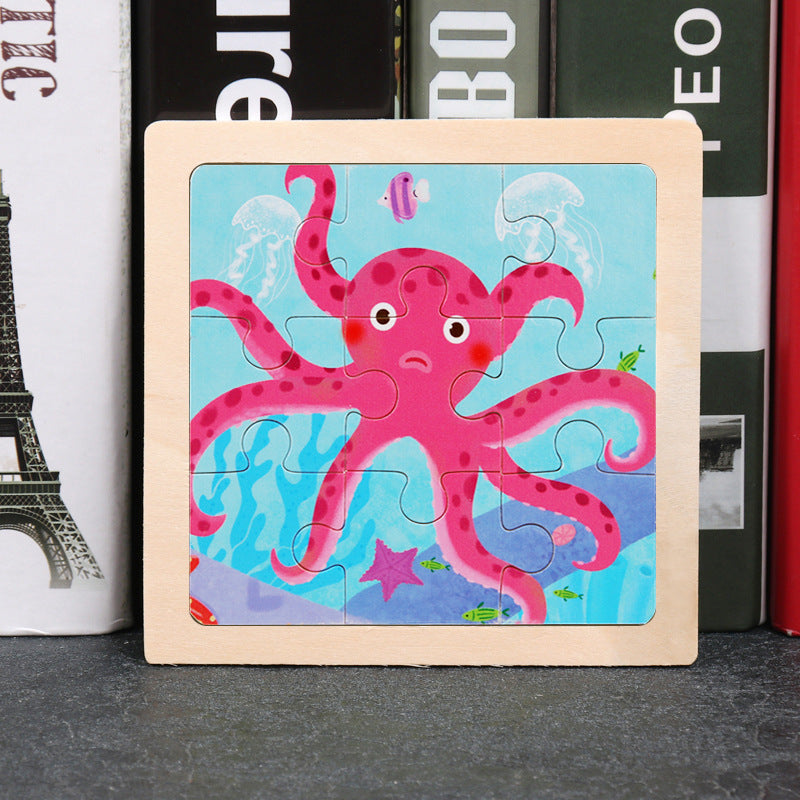
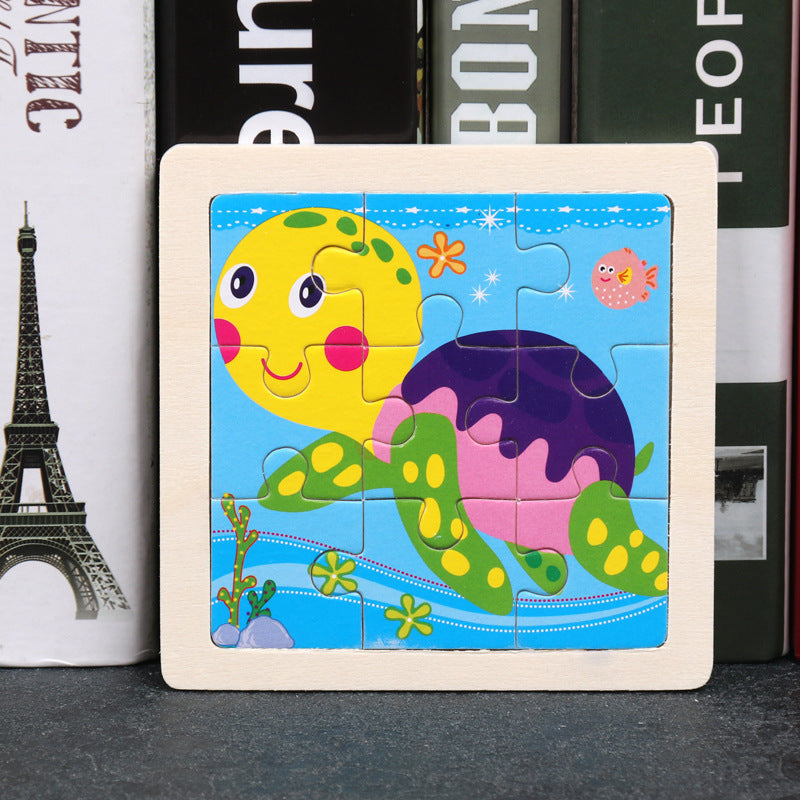
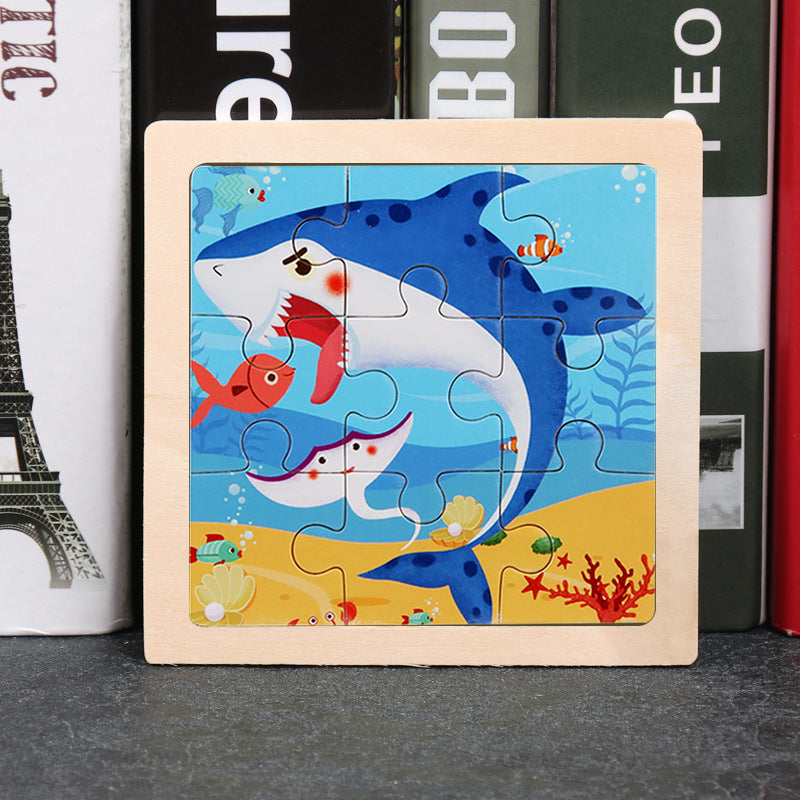
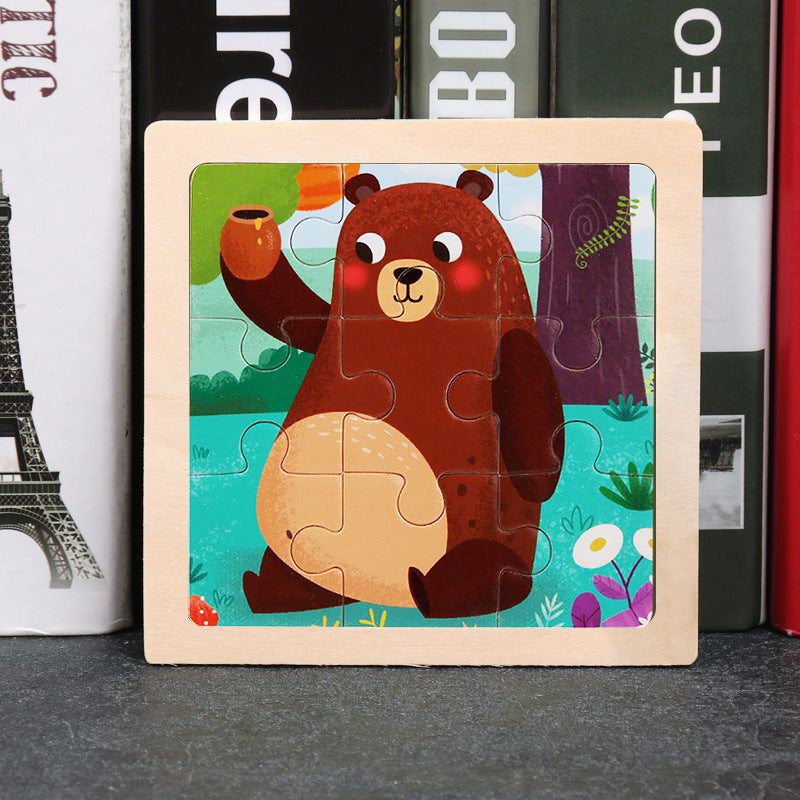
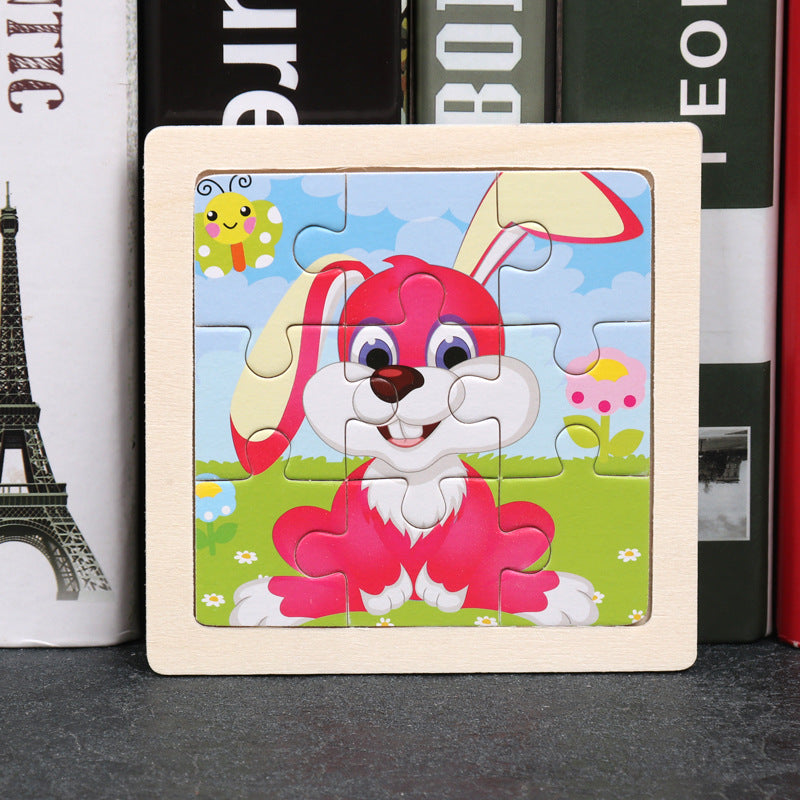
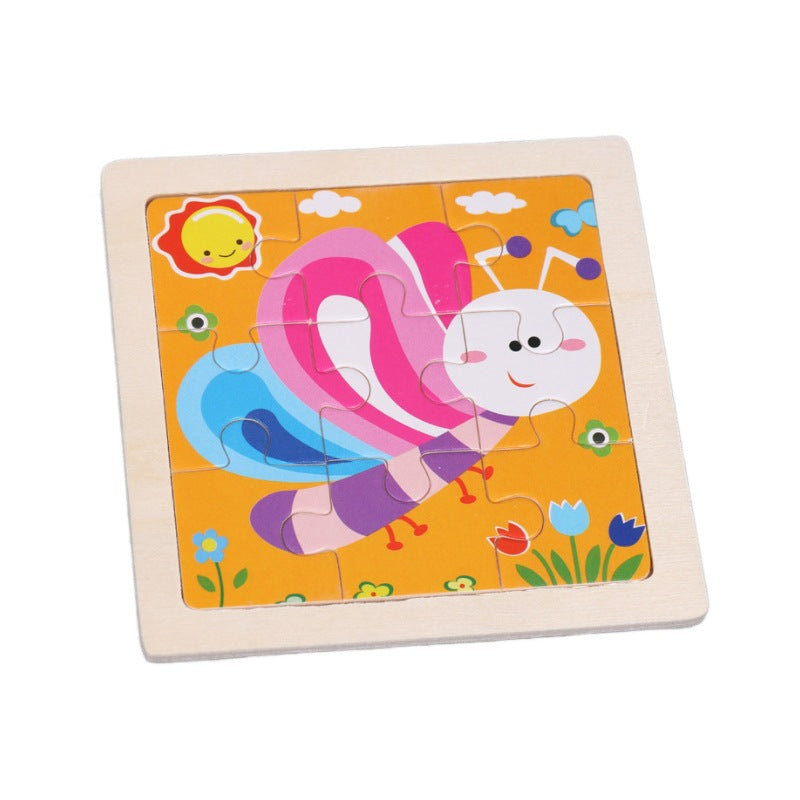
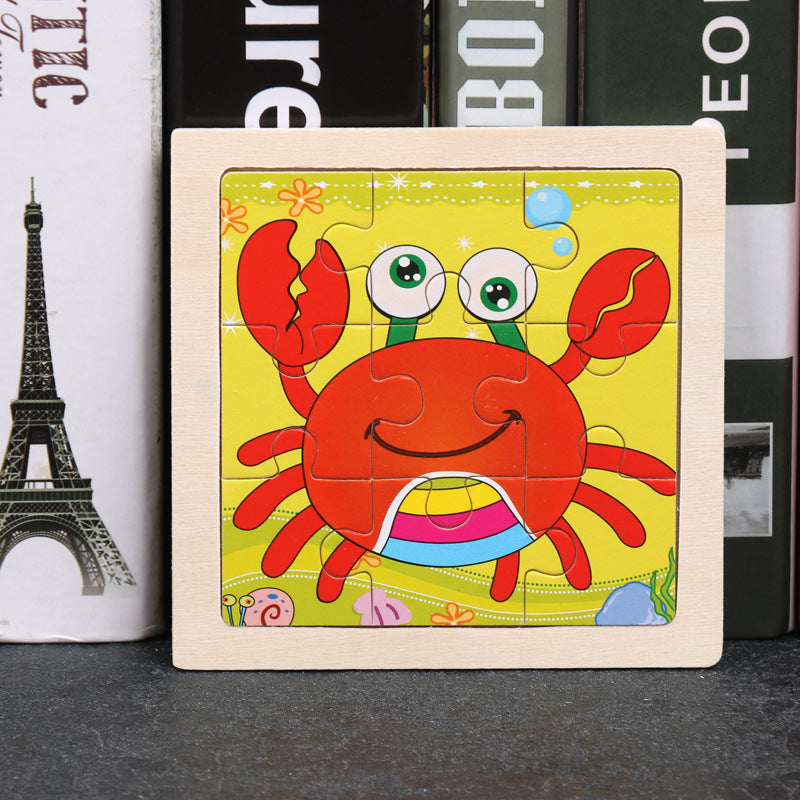
Bring familiar animals, friendly vehicles and colourful story scenes to the table with the Kinmilo 9-Piece Wooden Picture Jigsaw Puzzle. Each design presents nine interlocking printed wooden pieces inside a reusable wooden frame. The child completes one picture at a time, turning everyday play into opportunities for looking closely, matching edges, coordinating both hands, naming objects and sharing conversation.
Kinmilo Together Time: A Parent–Child Play Plan
Play Together. Grow Together. Turn Wooden 9-Piece Cartoon Animal & Vehicle Jigsaw Puzzles into relaxed parent–child interaction. Begin with a short activity, respond to your child's interests and allow breaks.
-
1. Connect & demonstrate: Choose one toy vehicle and move it toward a pretend destination.
-
2. Share the play: Take turns making it go and stop, using words, gesture or signs.
-
3. Grow together: Create a tiny journey with two stops or a simple road-safety choice.
Adapt the activity for ADHD, autism and developmental or learning differences
Offer a visual route and one vehicle at a time; supervise detachable parts. For children with different communication needs, invite speech, pointing, gesture, eye gaze or AAC. A predictable start, limited choices and a clear stopping point can make play easier to join.
A note for families: Enjoy connection and meaningful participation rather than speed or perfect answers. These activities offer educational practice opportunities, not a medical treatment or a guaranteed developmental outcome. Follow the product's age and safety instructions, especially for detachable components.
What Makes This a Thoughtful Early Learning Activity?
-
One picture, nine pieces: a clear finishing point for manageable puzzle sessions.
-
Wooden frame: offers a visual boundary and helps organise the pieces during play.
-
Animal, vehicle and nature themes: invite naming, sound-making, pretend stories, matching and categorisation.
-
Montessori-inspired independence: let the child try, repeat, solve and celebrate each step.
-
Waldorf-inspired imagination: use finished pictures as prompts for open-ended storytelling.
How Parents and Caregivers Can Play Together
-
Start with shared attention. Sit side by side, name the picture and invite the child to point to a favourite colour or feature. Accept pointing, eye gaze, gesture or spoken words.
-
Make the first success easier. Begin with the assembled puzzle, remove only two or three pieces and show where one returns. Increase the number as confidence grows.
-
Model one step. Say “turn, look, match” as you rotate a piece and compare its picture with the next piece. Offer hand-over-hand guidance only with the child's comfort and permission.
-
Add language and choices. Ask “Which one goes next?” or offer two pieces. Use visual prompts, simple directions or AAC symbols as needed.
-
Tell a tiny story. An ambulance can help a friend, an animal can look for its home, or a dinosaur can go on a colourful adventure.
-
Finish positively. Celebrate effort and invite the child to put the pieces back into the frame.
Adapting Play for Different Learning Needs
For autistic children (ASD): begin with a predictable picture and a short, repeatable routine. Show the finished example, offer a quiet work area and let the child communicate in their preferred way. Avoid insisting on eye contact.
For children with ADHD or high activity levels: try brief, clearly defined turns, such as matching three pieces before a movement break. Invite the child to choose an engaging topic, then gradually lengthen the activity.
For developmental delay or intellectual disabilities: use fewer pieces, one-step instructions, demonstrations and extra time; praise each completed connection rather than speed.
For fine-motor or physical challenges: stabilise the frame on a non-slip mat, offer seated support and practise picking up, turning and releasing pieces at a comfortable pace. Adjust the activity for the child's individual movement needs.
These are opportunities for play and skill practice, not a treatment or promised developmental outcome.
Materials, Set Contents & Care
Material: wooden board and interlocking printed wooden puzzle pieces. Each selected design: one nine-piece picture puzzle with a matching wooden frame. Designs are selected individually in the Theme menu. Each theme is a separate choice, not a multipack. Care: wipe with a slightly damp cloth and dry thoroughly; do not soak.
Product measurements: choose your preferred theme using the product photos; no single shared board dimension is printed across the supplied theme photos.
Testing documentation: Kinmilo maintains CPC and CE test reports for this product range. Adult supervision is required. Contains small pieces; keep away from children who mouth toys or are under the applicable age guidance.
Frequently Asked Questions
Q: Can parents use this with an autistic child?
A: Yes, adapt the session to the child's preferred interests, sensory comfort and communication style. Start with two or three pieces and build up gradually.
Q: What if my child finds the puzzle frustrating?
A: Place a few pieces together first, offer one choice at a time and pause before frustration builds. Returning to the puzzle later is fine.
Q: Is this inspired by Montessori or Waldorf education?
A: Its child-led, hands-on matching supports Montessori-inspired practice, while the picture stories lend themselves to Waldorf-inspired imaginative play.
Q: Does one purchase include every pictured theme?
A: No. Select one picture theme from the variants. The full gallery shows the assortment.
Q: How should the puzzle be cleaned?
A: Wipe the wood gently, dry it after cleaning and store the pieces flat indoors.