Kinmilo Wooden Animal Alphabet Matching Puzzle | A–Z Letter Learning & Tracing Board
Kinmilo Wooden Animal Alphabet Matching Puzzle | A–Z Letter Learning & Tracing Board
Discover A–Z with Friendly Animals and Hands-On Matching
The Kinmilo Wooden Animal Alphabet Matching Puzzle turns letter recognition into a colourful, tactile activity. Illustrated animal-shaped letter pieces sit in a wooden alphabet matching board, inviting children to pick up, rotate, recognise and place letters with support from a parent or caregiver. The photographed set includes a wipe-clean writing activity and marker, so families can move from hands-on recognition to early mark making.
Kinmilo Together Time: A Parent–Child Play Plan
Play Together. Grow Together. Turn Wooden Animal Alphabet Matching Puzzle into relaxed parent–child interaction. Begin with a short activity, respond to your child's interests and allow breaks.
- 1. Connect & demonstrate: Choose one familiar word, letter or picture and show where it belongs.
- 2. Share the play: Take turns matching or arranging a letter with its picture.
- 3. Grow together: Find a real object that begins with the sound or make a short word.
Adapt the activity for ADHD, autism and developmental or learning differences
Show two choices at a time; accept pointing or AAC without requiring speech. For children with different communication needs, invite speech, pointing, gesture, eye gaze or AAC. A predictable start, limited choices and a clear stopping point can make play easier to join.
A note for families: Enjoy connection and meaningful participation rather than speed or perfect answers. These activities offer educational practice opportunities, not a medical treatment or a guaranteed developmental outcome. Follow the product's age and safety instructions, especially for detachable components.
Why Families Love Hands-On Alphabet Play
- Letter recognition: explore the 26 letters of the English alphabet with memorable animal pictures.
- Visual matching: look at shape, colour, image and letter outlines to find each piece's place.
- Fine motor practice: grasp, turn and align wooden pieces and use the supplied marker for guided writing.
- Language and storytelling: link familiar animals to letters, sounds and imaginative stories.
- Shared attention: build playful social interactions through turn-taking and picture choices.
Verified Product Details & Dimensions
Material: wood-based board and illustrated wooden animal-letter pieces. The visible layered construction gives the pieces a tactile edge for grasping.
Alphabet board: 17 × 14.8 × 0.2 cm (board length × width × thickness).
Included writing marker: approximately 11 × 1.2 cm (length × diameter).
Retail packaging: 18.5 × 15.8 × 3 cm. These packaging dimensions are not the puzzle board size.
Age guide on the photographed box: 3+ years. Adult supervision is required for detachable components and the marker.
Testing documentation: Kinmilo products are supported by CPC and CE testing documentation.
A Practical Parent & Caregiver Activity Guide
Activity 1: Start with Two Familiar Animals
Place two pieces on the table, name each animal, and show where one belongs. Invite the child to place the other. Respond positively to gestures, looking, pointing or speaking.
Activity 2: Find the Matching Letter
Choose a favourite animal, say its name slowly and connect it to its beginning letter. For example, “B is for bear.” Help the child match it to the board.
Activity 3: My Turn, Your Turn
Take turns selecting a letter. Model short phrases such as “find A,” “more letters” and “all done”; use pictures or AAC if preferred.
Activity 4: Trace, Draw & Tell a Story
When the child is ready, use the write-and-wipe activity with the marker. Copy a simple line, trace a letter or draw an animal outline. Then invite a tiny story about the character.
Activity 5: Sort & Hunt
Group pieces by colours, animal types or letters in a child's name. Hide three pieces nearby and invite a short scavenger hunt.
How to Adapt Play for Different Abilities
For children on the autism spectrum (ASD): begin with a small, predictable set of pieces. Use a picture schedule such as “choose – place – finish.” Let the child lead with favourite animals or letters and reduce demands if the board becomes overwhelming.
For children with ADHD or high activity levels: try quick missions, such as “find three animals,” with a movement break afterwards. Switch between picking up a piece and drawing a letter to add variety.
For developmental delay or intellectual disability: repeat one matching task, provide a demonstration before each turn, and reduce the number of choices. Use gestures, praise and familiar animal sounds to build participation.
For fine-motor differences: position the board at a comfortable angle, allow both hands to be used and offer larger motions before progressing to marker tracing.
For non-speaking children: invite eye gaze, pointing, physical placement and AAC responses. Shared play and communication do not require spoken language.
Each activity offers a chance to explore, practise and connect. The puzzle is an educational play resource, not a medical treatment.
Care Instructions
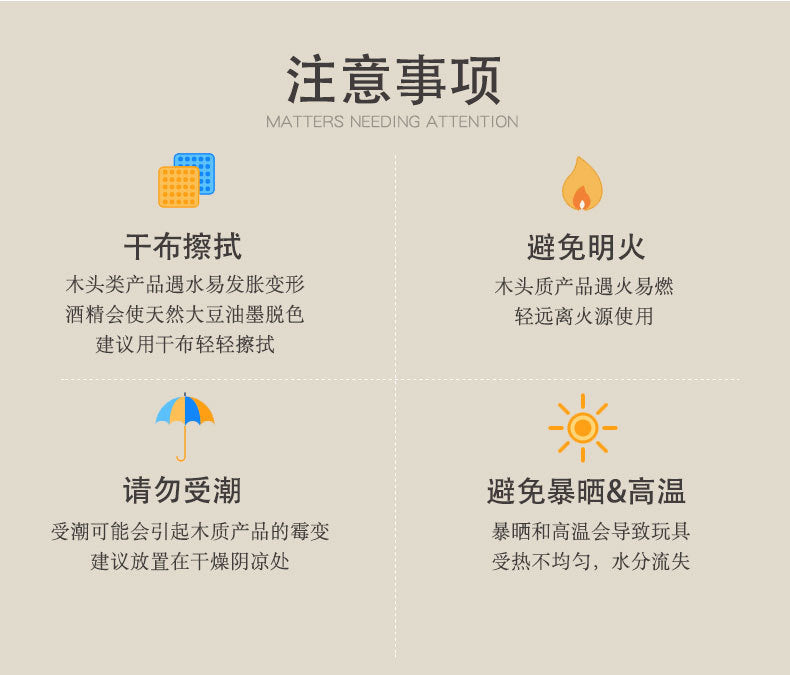
Wipe wooden surfaces with a dry or slightly damp cloth, then dry thoroughly. Clean the writing surface after use according to its wipe-clean design. Store the letter pieces and marker together; inspect loose pieces before play.
Frequently Asked Questions
Does it include all 26 alphabet letters?
The animal alphabet design displays A–Z matching pieces, including illustrated letters from alligator to zebra-inspired characters.
Is this puzzle appropriate for Montessori or Waldorf-inspired play?
Yes. Sorting, self-directed matching, tactile exploration and imaginative animal stories fit naturally into Montessori-inspired and Waldorf-inspired learning routines.
How can I use it with an autistic child?
Start with two familiar animals, use a visual routine, let the child decide how long to continue, and build interaction through shared attention rather than demanding verbal answers.
Can it support a child with delayed speech or development?
Caregivers can model vocabulary, use picture-based choices and encourage turn-taking in small steps tailored to the child's interests.
What is the difference between product and packaging dimensions?
The wooden board measures 17 × 14.8 × 0.2 cm, while the retail box measures 18.5 × 15.8 × 3 cm; the marker is approximately 11 cm long.
Couldn't load pickup availability