Kinmilo Wooden Finger-Grip Matching Puzzle Boards – 10 Montessori-Inspired Themes
Kinmilo Wooden Finger-Grip Matching Puzzle Boards – 10 Montessori-Inspired Themes
Wooden Finger-Grip Puzzle Boards – 10 Early Learning Themes
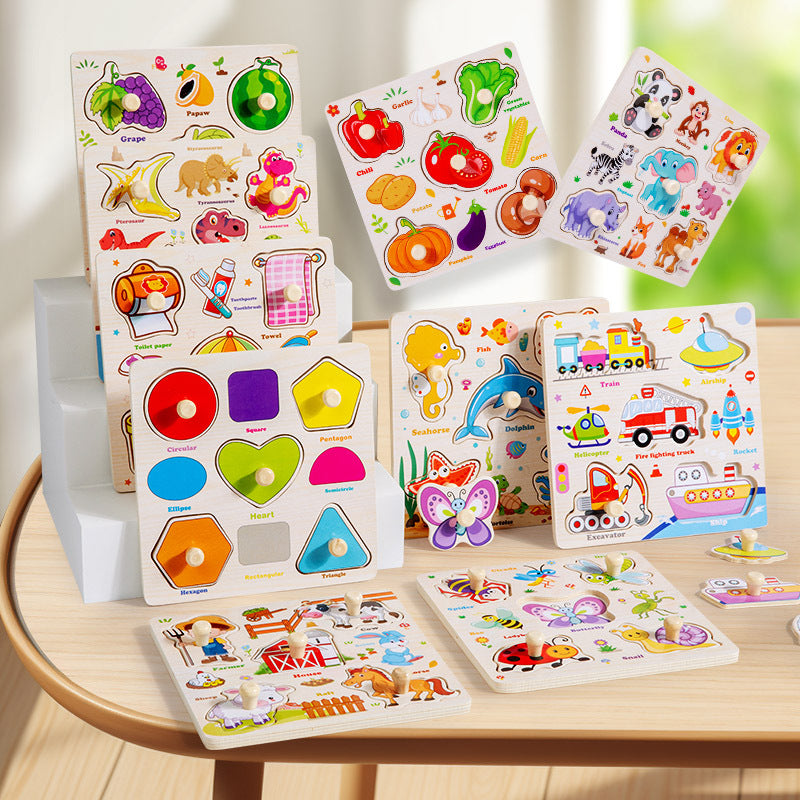
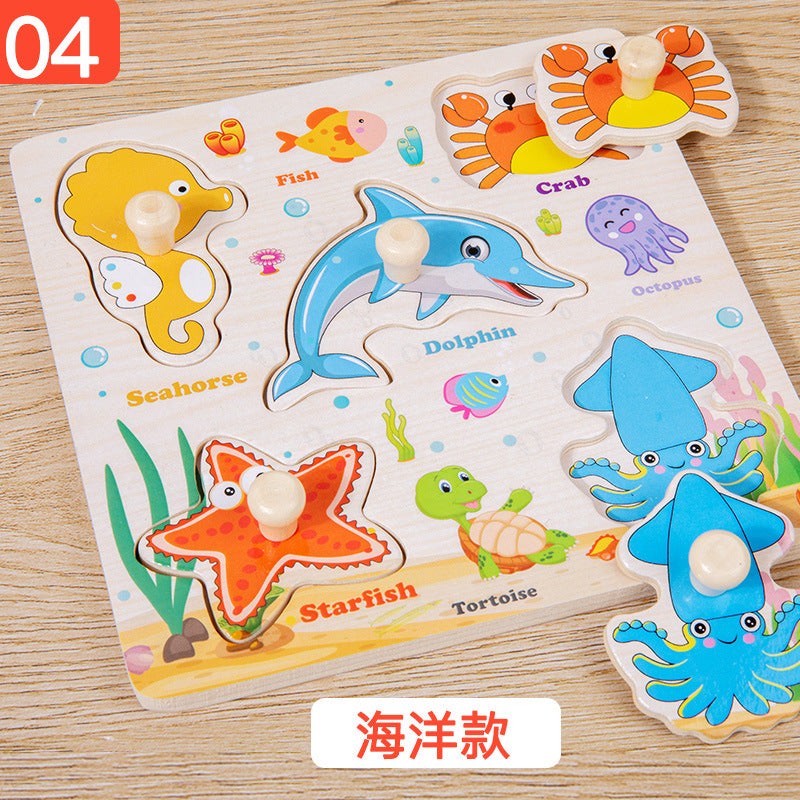
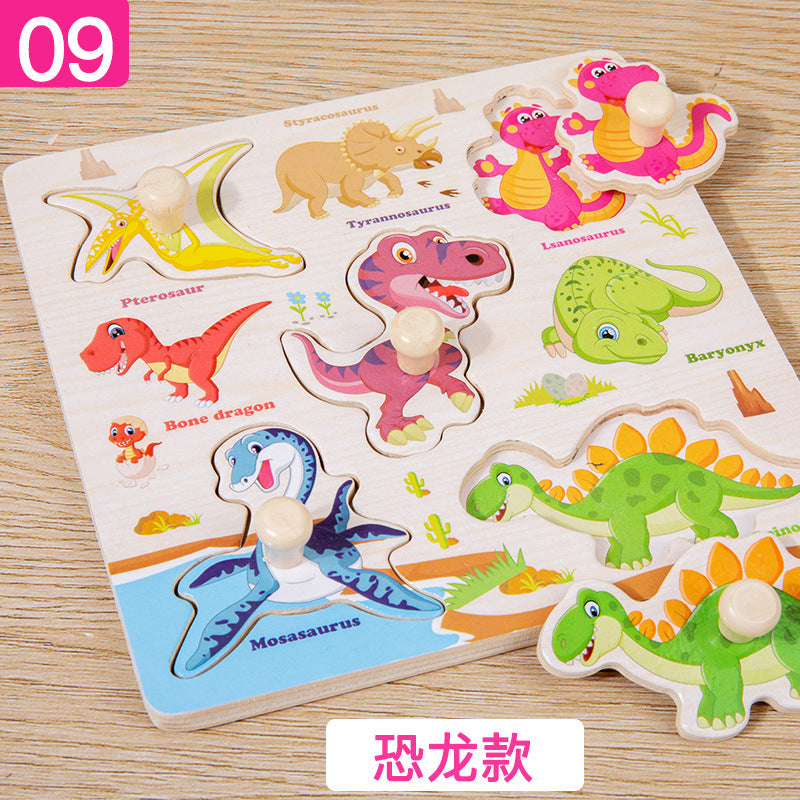
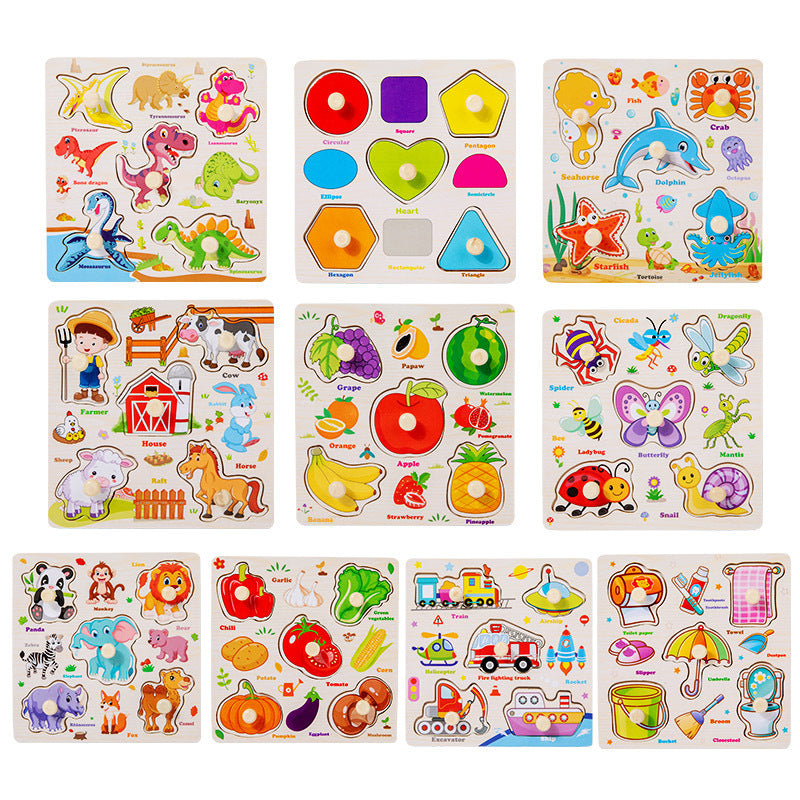
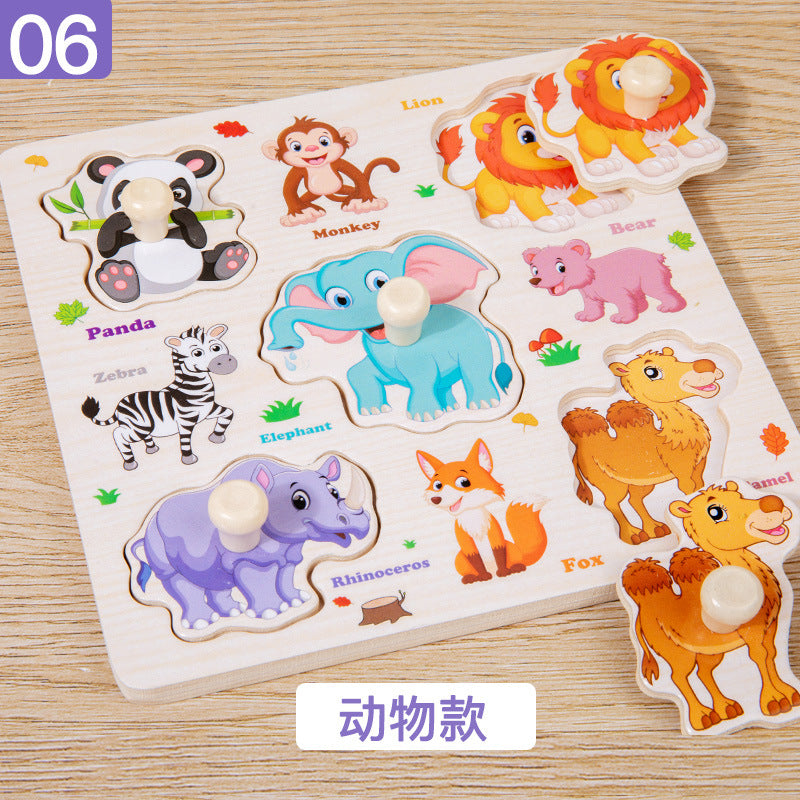
Little hands learn by doing. Kinmilo's wooden inset puzzle brings everyday objects, animals, numbers of shapes and familiar scenes into a calm, hands-on matching game. Each illustrated piece has a raised wooden knob to help children lift, compare, turn and return it to its matching place on the board. Choose one of ten attractive themes—each theme is one complete matching board.
Kinmilo Together Time: A Parent–Child Play Plan
Play Together. Grow Together. Turn Wooden Finger-Grip Matching Puzzle Boards into relaxed parent–child interaction. Begin with a short activity, respond to your child's interests and allow breaks.
- 1. Connect & demonstrate: Show one picture, shape or colour and ask 'Where should this go?'
- 2. Share the play: Take turns comparing and placing one piece at a time.
- 3. Grow together: Invite the child to choose a second category or make a two-piece pattern.
Adapt the activity for ADHD, autism and developmental or learning differences
Show just two choices and a visual model; accept pointing, gesture or AAC. For children with different communication needs, invite speech, pointing, gesture, eye gaze or AAC. A predictable start, limited choices and a clear stopping point can make play easier to join.
A note for families: Enjoy connection and meaningful participation rather than speed or perfect answers. These activities offer educational practice opportunities, not a medical treatment or a guaranteed developmental outcome. Follow the product's age and safety instructions, especially for detachable components.
Ten themes in one easy-to-shop product
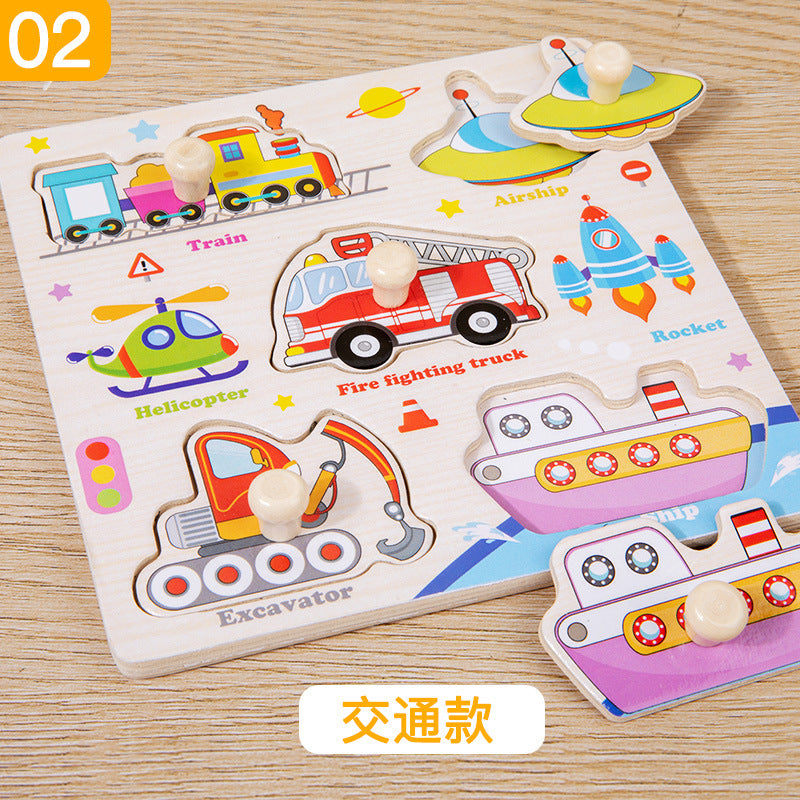
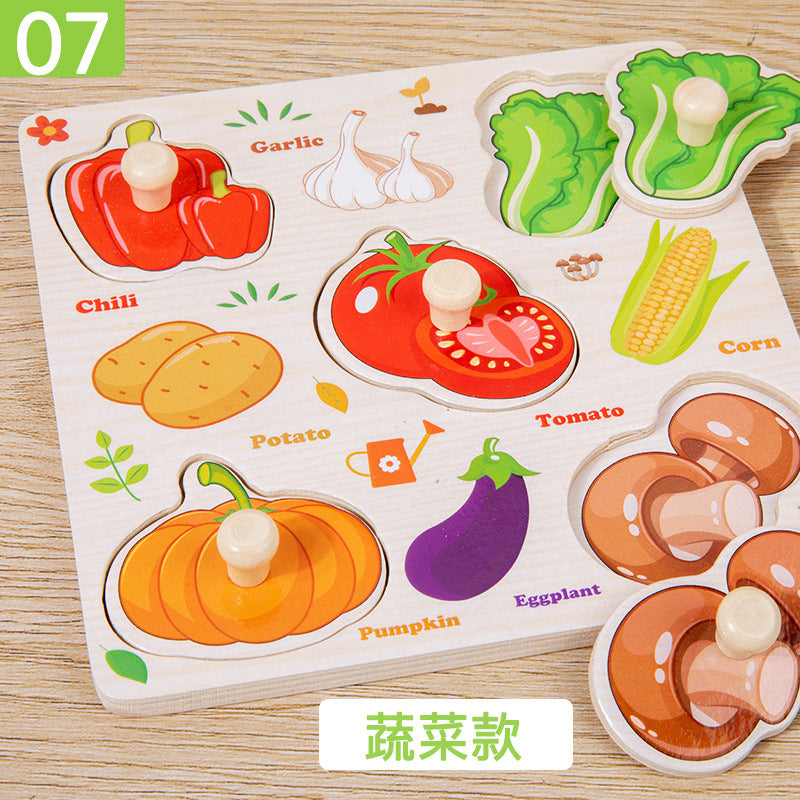
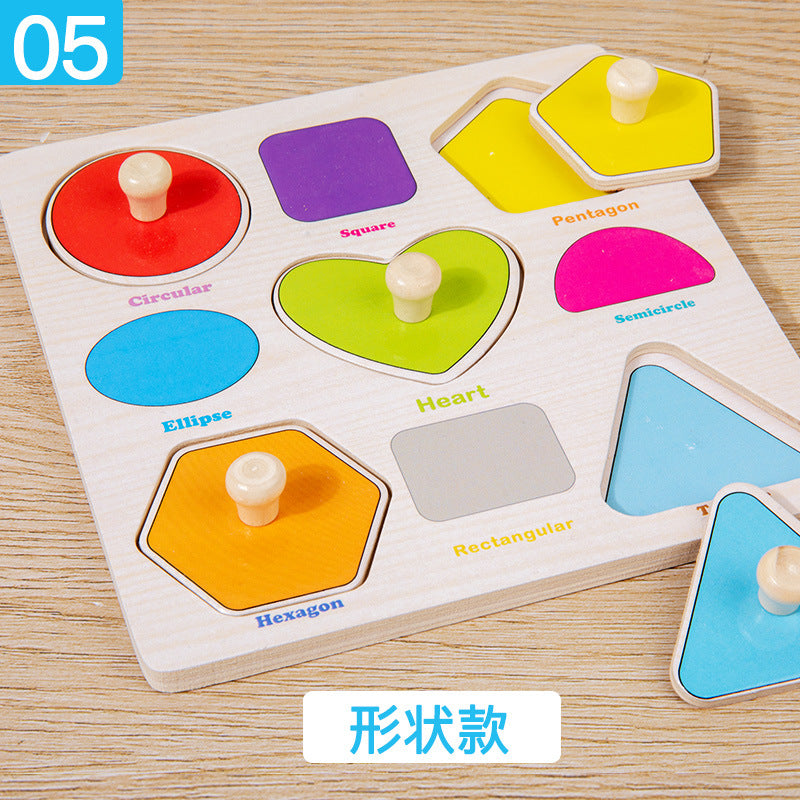
Fruits, Transport, Farm Life, Ocean Animals, Geometric Shapes, Animals, Vegetables, Insects, Dinosaurs and Everyday Life. The shapes, pictures and number of puzzle pieces vary with the selected themed board.
Materials & construction
- Board: illustrated wooden inset learning board.
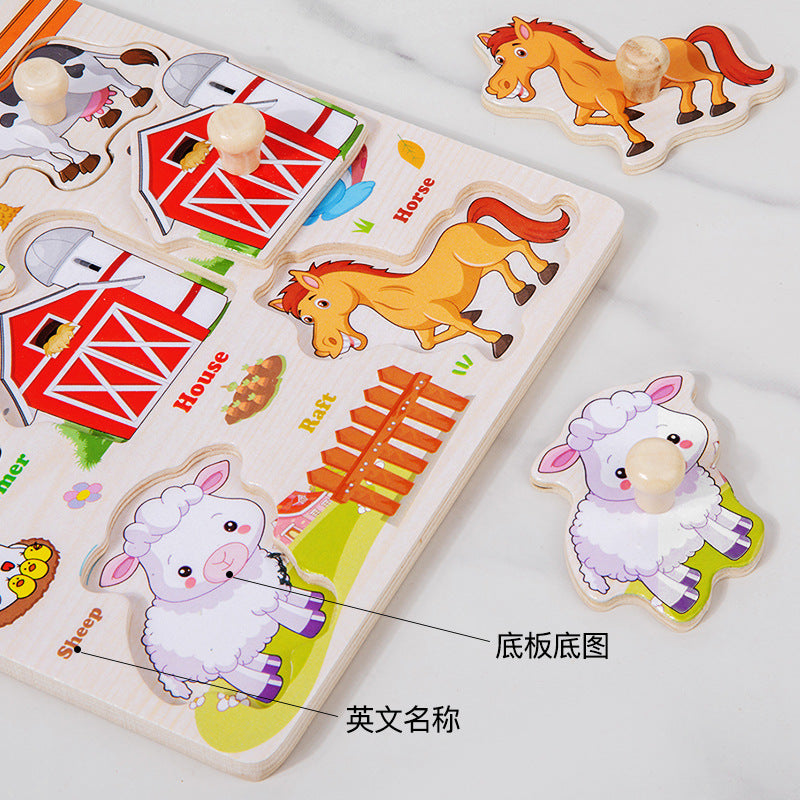
- Pieces: matching colorful wooden picture pieces with raised finger-grip knobs.
- Play method: lift each piece, identify its picture or shape and fit it into the corresponding recessed outline.
- Recommended age: 3+ years; supervise when pieces are in use.
- Care: gently wipe with a soft, slightly damp cloth and dry immediately; do not soak wood or immerse in water.
- Documentation: CPC and CE testing documentation is maintained for Kinmilo toy products.
How to guide a playful learning session
- Place the board on a stable, comfortable surface; remove only two pieces initially.
- Show one slow example: lift the fruit or animal by its knob, name it and fit it into the opening.
- Invite the child to choose the next piece using a gesture, a word or a hand movement.
- Offer gentle help at the wrist or by stabilizing the board if the child welcomes physical assistance; never force movement.
- Build a simple language game: “Where is the carrot?”, “Which one swims?”, or “Can you find the circle?”
- Finish by fitting the remaining pieces together and offering specific encouragement such as “You found the matching shape.”
Inclusive ideas for caregivers and educators
ADHD or high activity levels: make a two-piece mission, let the child stand at a safe play table if comfortable, then offer a movement break before the next round.
Autism spectrum: use the child's preferred topic—trains, animals, shapes or dinosaurs—keep the sequence consistent and introduce changes gradually. Allow pointing or placing as a complete answer and respect sensory comfort.
Developmental delay or intellectual disability: cover the other shapes so just one target remains, demonstrate matching and repeat at a steady pace. Increase choice to two, then three pieces based on readiness.
Fine-motor or physical support needs: stabilize the board on a non-slip surface, invite the child to use the finger knob at their own pace or cooperate with a caregiver who holds the board. Rotate roles between choosing, lifting and placing.
Early-language practice: use concrete words—“horse,” “round,” “green”—and expand a child's word with one extra phrase, such as “green leaf.” No spoken response is required to enjoy the activity.
Frequently asked questions
Q: Does the order include all ten puzzles?
A: No. Select the specific theme in the Theme menu; each variant is one puzzle board, with its corresponding picture pieces.
Q: What do the small raised knobs do?
A: They give children a defined place to grasp the pieces while practicing controlled placement, visual matching and turn-taking.
Q: Can I use the puzzle for an autistic or minimally verbal child?
A: Yes, a child may choose, point, match or hand a piece over without spoken instructions or eye-contact requirements.
Q: Is the design Montessori or Waldorf inspired?
A: Its tactile, self-directed puzzle matching suits Montessori-inspired practical exploration, while theme storytelling can complement Waldorf-inspired imaginative play. It is not affiliated with either educational organization.
Q: Is it appropriate for mixed-ability play?
A: Adults can adapt the number of pieces and the amount of prompting for different learners, including children with developmental and coordination differences.
Q: Does it improve a medical condition?
A: This is an educational activity, not a therapy, diagnostic device or medical treatment.
Q: What about safety?
A: Adult supervision is required. Inspect wooden knobs and picture pieces regularly, stop using any loose or damaged components, and keep all small parts away from children under three.
Couldn't load pickup availability