Layered Wooden Animal & Nature Puzzles | Montessori-Inspired Matching
Layered Wooden Animal & Nature Puzzles | Montessori-Inspired Matching
Look Beneath the Surface: Layered Wooden Puzzle Discovery
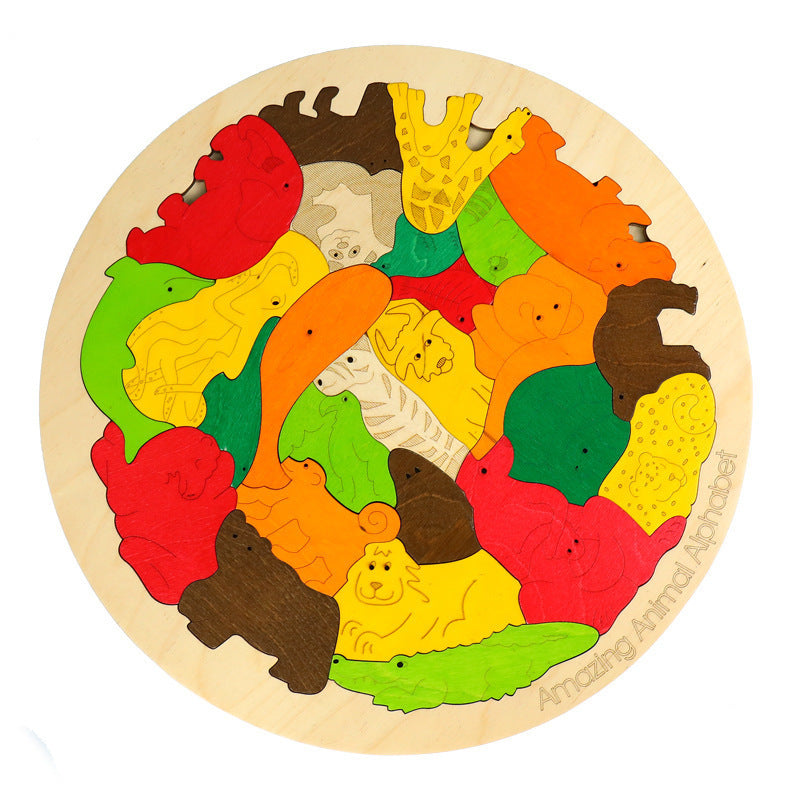
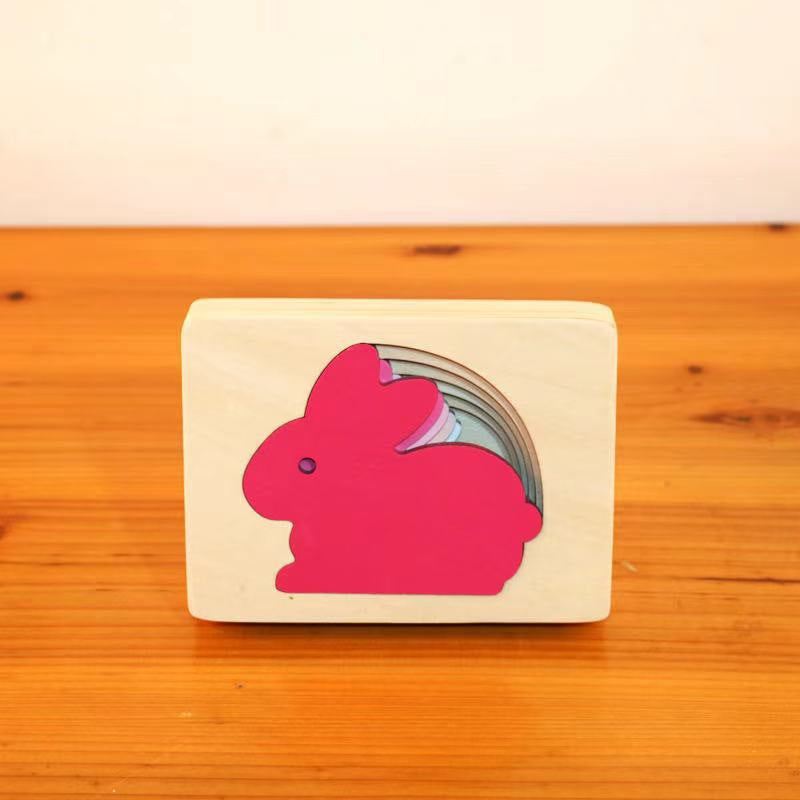
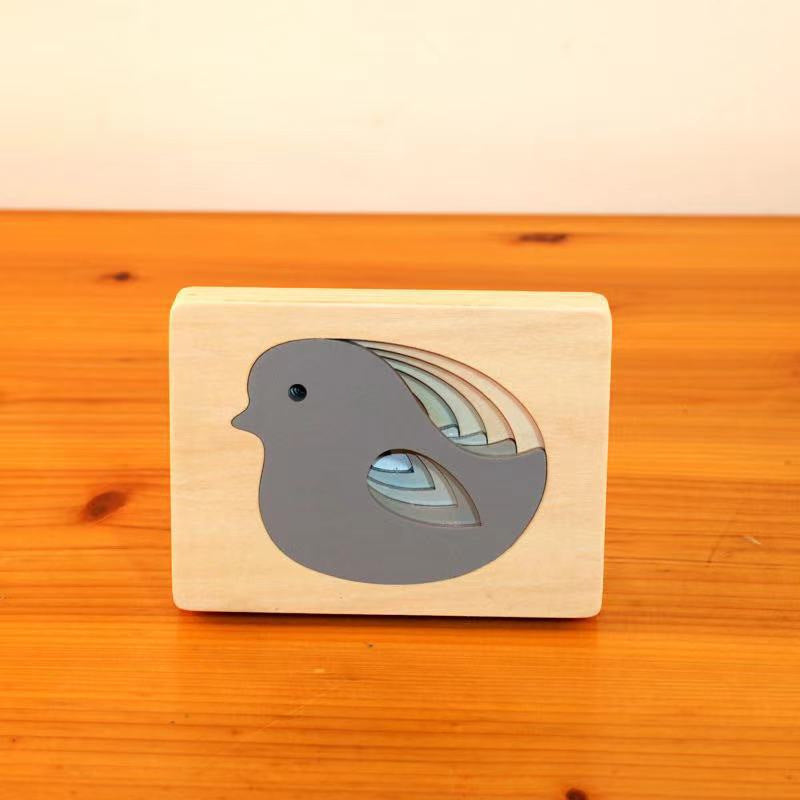
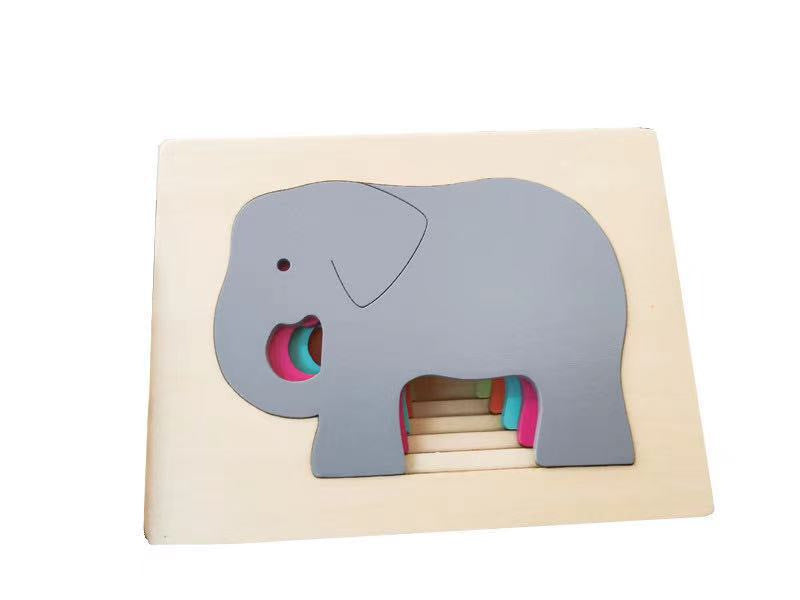
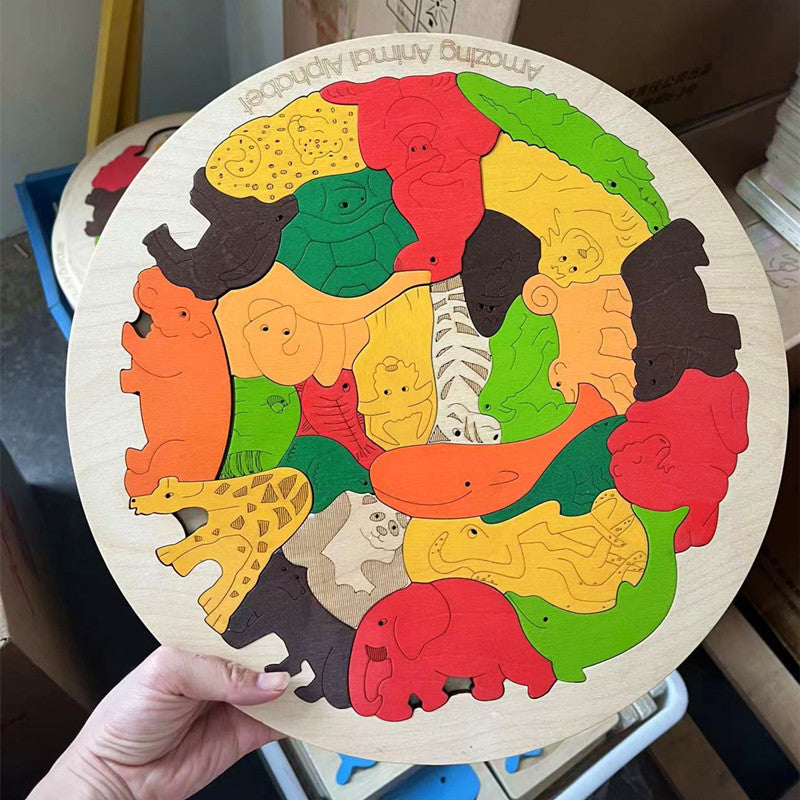
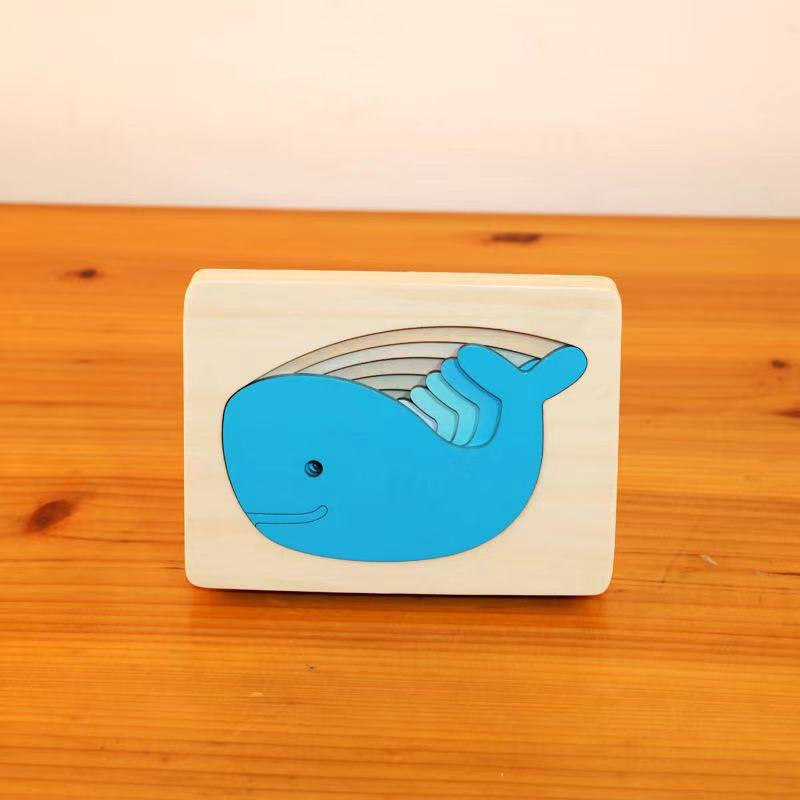
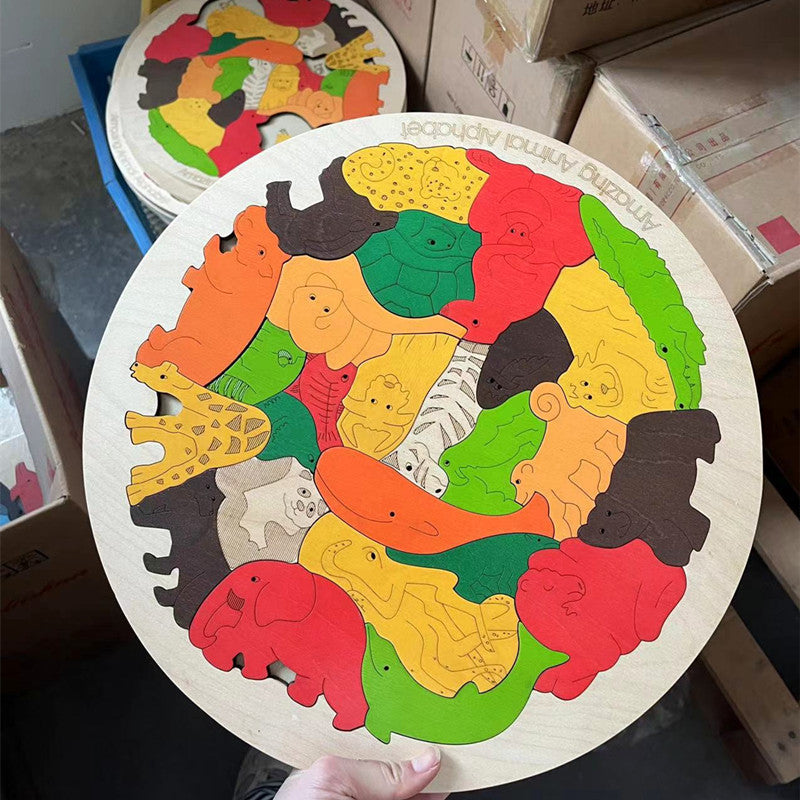
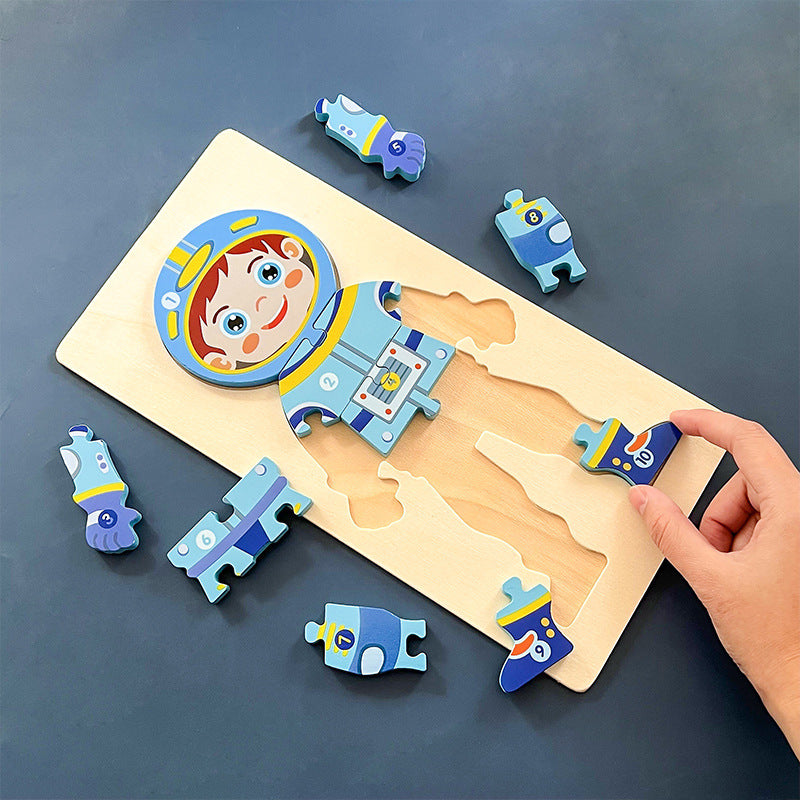
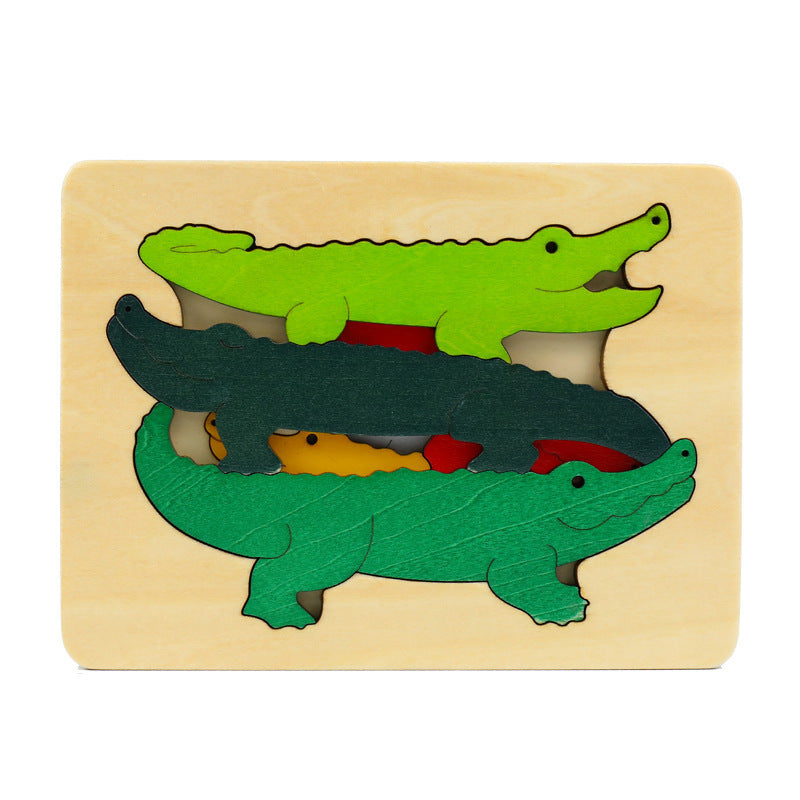
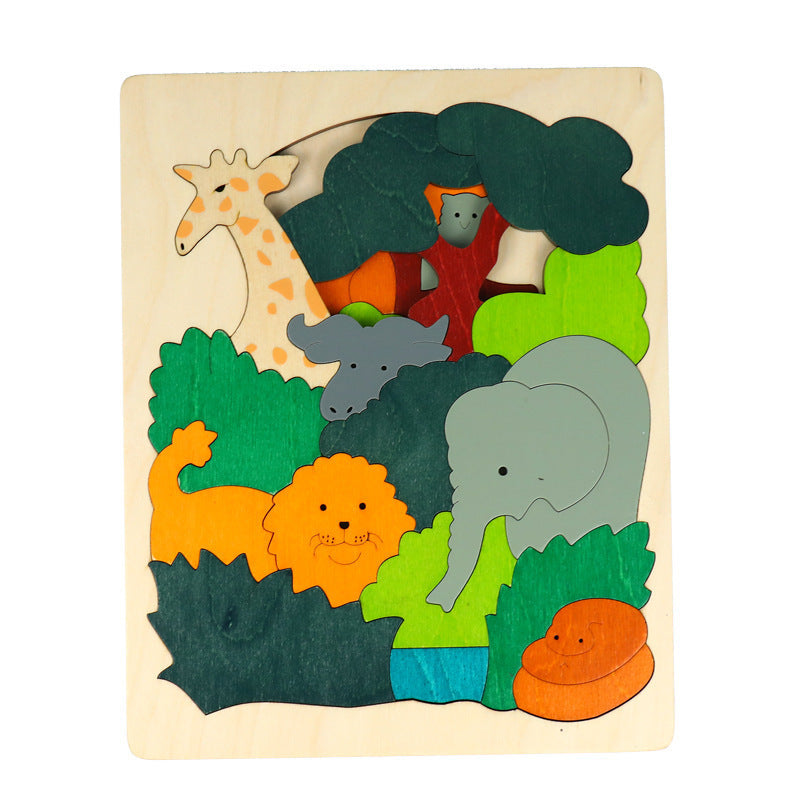
The Kinmilo Layered Wooden Animal & Nature Puzzle Boards add an engaging extra dimension to the classic first jigsaw. Instead of matching pieces on a flat picture alone, children lift and replace illustrated wooden shapes that reveal another layer of the scene. The product photographs show a variety of themes, including animals, nature scenes, ocean life, a crocodile, dinosaur shapes, vehicles and a circular animal design. Each variation can be used for relaxed, caregiver-led play with short achievable steps.
Learning Opportunities
- Visual recognition: compare outlines and notice details inside a scene.
- Fine motor coordination: grip, lift, rotate and align separate wooden pieces.
- Early problem solving: test which shape belongs in each space.
- Sequential thinking: rebuild one layer before adding the next.
- Language development: name animals, scenes, positions and actions during shared play.
Pick a Theme That Feels Familiar
Select your favorite design from the product options, including animal and nature-themed puzzles. Your order contains the design you select. Each layered wooden puzzle invites children to lift, match and rebuild illustrated scenes through hands-on discovery.
Parent & Caregiver Step-by-Step Guide
Step 1: Start with One Piece
Set the board on a stable table and remove one easy-to-grasp piece. Encourage the learner to look at the outline and place it back. Demonstrate once, then give them time to explore.
Step 2: Discover What Is Underneath
Lift a layer to reveal the next picture. Ask “What do you see now?” Support responses through speech, pointing, gestures or communication cards. Avoid making the activity into a test.
Step 3: Build from the Base
Spread only a few pieces in front of the learner. Rebuild the underlying layer first, then place the upper layer. Break long sequences into smaller activities and pause whenever needed.
Step 4: Spot the Difference
Choose two animals or shapes and describe their color, size, outline or position. For more experienced learners, hide a piece and ask which part of the scene is missing.
Step 5: Tell an Animal Story
Use simple prompts such as “Where does this crocodile swim?” or “What happens next in the jungle?” Children can invent their own story without a single correct answer.
Supporting Diverse Learners
Bring these layered puzzles into home learning, classroom stations and caregiver-led activities. For learners with autism, ADHD or developmental differences, start with fewer pieces, use a familiar workspace and allow time for exploration. The lift-and-match format creates practical opportunities to work on visual matching, turn-taking, fine-motor movements and communication.
Safety, Cleaning & Storage
Adult supervision is essential. Keep small removable pieces away from children who mouth objects or are at risk of swallowing them. Inspect edges and finishes before play, and follow the age and safety information provided with the product. Wipe gently with a damp cloth, dry fully and store all pieces together.
Real-Life Play Scenarios for Parents and Educators
How can I help a beginner learn layered wooden puzzles at home?
Start with a single large piece on the board and model one lift-and-replace action. Let the learner compare the outline and put the piece back before adding a second layer. Keep the goal small: enjoying the discovery matters more than completing the whole picture.
What can a caregiver ask while exploring animal and nature puzzles?
Try short questions linked to the pictures: “What is underneath?”, “Which animal is missing?” and “Where does this piece belong?” Invite pointing, gestures, speech or AAC. Animal names and scene details give families easy prompts for shared language practice.
How can I use a puzzle for a short preschool table activity?
Prepare one puzzle theme at a quiet table, remove two pieces and invite the child to explore the changing illustration. For a small group, offer each learner one matching turn. Once finished, tell a short story using the completed animal or nature scene.
Frequently Asked Questions
Is this toy inspired by Montessori or Waldorf education?
This puzzle is especially suited to Montessori-inspired hands-on matching, observation and self-paced problem solving. Families can also bring in Waldorf-inspired storytelling by inventing animal adventures from the finished picture. Unlike open-ended building blocks, its primary activity is a structured puzzle, so the two educational links apply in different ways.
How can I use this toy in a short daily learning session?
Offer one puzzle on a clear table, remove a single piece and invite the child to replace it. Add another piece or layer only when the learner is ready, using pointing or visual cues when helpful.
Do I receive every design shown?
No. Photos show options within this themed range. One selected design is supplied per order.
What is a layered puzzle?
A puzzle that uses overlapping or stacked pieces to form a deeper or changing picture, inviting children to compare shapes and sequence placements.
How can a beginner get started?
Remove just one piece and invite the child to put it back before trying several at once.
Can nonverbal learners participate?
Yes. Offer pointing, matching or gesture-based choices instead of requiring spoken responses.
Is it suitable for children with ASD or developmental delay?
The puzzle provides a clear, hands-on matching routine. Start with one or two pieces, model the action and adapt the pace and number of pieces to the learner's needs. It is an educational activity, not a medical treatment.
Can I use it in a classroom?
Yes. Small-group rotation or one-to-one adult-guided activities work well when age appropriateness and supervision are addressed.
How do I maintain the puzzle?
Keep it dry, avoid prolonged soaking and check individual pieces before play.
Couldn't load pickup availability